


NEWS CENTER
Why OEM-Compatible Lamps and Cost-Effective Cuvettes Matter for Laboratory Maintenance
Release time:
2026-05-18
In analytical laboratories, users often focus heavily on instrument performance when purchasing equipment, such as HPLC systems, UV-Vis spectrophotometers, LC-MS, and other core analytical instruments.
However, in long-term laboratory operation, one of the biggest factors affecting operating costs and instrument stability is actually after-sales maintenance and consumable replacement.
Among these consumables, deuterium lamps and cuvettes are two of the most critical — and often underestimated — components.
For laboratories handling large volumes of routine analysis, choosing stable OEM-compatible lamps and cost-effective cuvettes is not simply about reducing expenses. It directly impacts:
- Instrument uptime
- Analytical stability
- Laboratory operating costs
- Maintenance efficiency
- Spare parts supply security
Below, we will discuss how these consumables can bring real value to laboratory operations and after-sales maintenance.
1. Why More Laboratories Are Using OEM-Compatible Lamps
In UV-Vis spectrophotometers and HPLC UV detectors, deuterium lamps are typical consumable components.
Original lamps from major instrument manufacturers are often expensive and may also involve:
- Long lead times
- Limited distributor inventory
- Product discontinuation risks
- High replacement costs
For laboratories with heavy analytical workloads, a lamp failure may directly affect:
- QC release
- Sample analysis
- Method validation
- Project timelines
As a result, more laboratories are adopting reliable OEM-compatible lamp solutions.
2. Key Benefits of OEM-Compatible Lamps in Laboratory Maintenance
2.1 Significantly Lower Maintenance Costs
This is the most direct advantage.
Original deuterium lamps from international brands are often sold at premium prices, while high-quality compatible lamps can substantially reduce procurement costs without compromising compatibility or performance.
This is especially important for:
- Pharmaceutical QC laboratories
- Third-party testing laboratories
- University shared laboratories
- Environmental testing laboratories
For laboratories with frequent lamp replacement needs, the long-term cost difference can be substantial.
In practice, most laboratories care more about:
“Whether the lamp works reliably,” rather than whether it carries the original manufacturer’s label.
2.2 Improved Instrument Uptime
Laboratories are not only concerned about consumable costs, but also about availability.
A common issue is:
“The lamp has failed, but replacement stock is unavailable.”
Many original lamps have long delivery times, especially for older instrument models.
A mature compatible lamp supply system often provides:
- More flexible inventory
- Faster delivery
- Broader model coverage
This allows laboratories to restore instrument operation more quickly.
For high-throughput laboratories:
- One less day of downtime
- One less delayed sample batch
- One less interrupted QC release
can be more valuable than the purchase price itself.
2.3 Extending the Service Life of Older Instruments
Many laboratories still use:
- Older UV-Vis systems
- Classic HPLC UV detectors
- Discontinued instrument models
In many cases, these instruments still perform well, but the original manufacturers may have:
- Reduced support
- Limited spare parts supply
- Increased spare part pricing
Without compatible consumables, laboratories may be forced to retire otherwise functional equipment prematurely.
Reliable compatible lamp solutions can help keep these instruments operational and significantly improve return on investment.
2.4 Reduced Pressure on After-Sales Service
OEM-compatible lamps are also highly valuable for instrument distributors and maintenance service providers.
They frequently face challenges such as:
- Limited customer budgets
- Long original spare-part lead times
- Difficulty sourcing older components
In these situations, reliable compatible lamp solutions help service engineers:
- Complete repairs faster
- Reduce customer maintenance costs
- Improve customer satisfaction
- Increase service flexibility
In fact, many second-hand instrument service providers rely heavily on stable replacement consumable systems.
3. Why More Laboratories Are Choosing Hamamatsu-Compatible Lamps
Today, many mainstream analytical instrument brands use deuterium lamp systems based on technologies originally supplied by Hamamatsu, Japan.
This includes brands such as:
- Shimadzu
- Thermo Fisher
- Agilent
As a result, high-quality Hamamatsu-compatible lamps are not simply “low-cost substitutes,” but compatible solutions built on mature and proven light-source technology.
Quality Hamamatsu-compatible lamps typically offer:
- Stable UV output
- Excellent compatibility
- Low signal drift
- Reduced maintenance costs
- Broad compatibility with mainstream UV/HPLC detectors
For laboratories, this means:
Maintaining reliable analytical performance while reducing long-term operating costs.
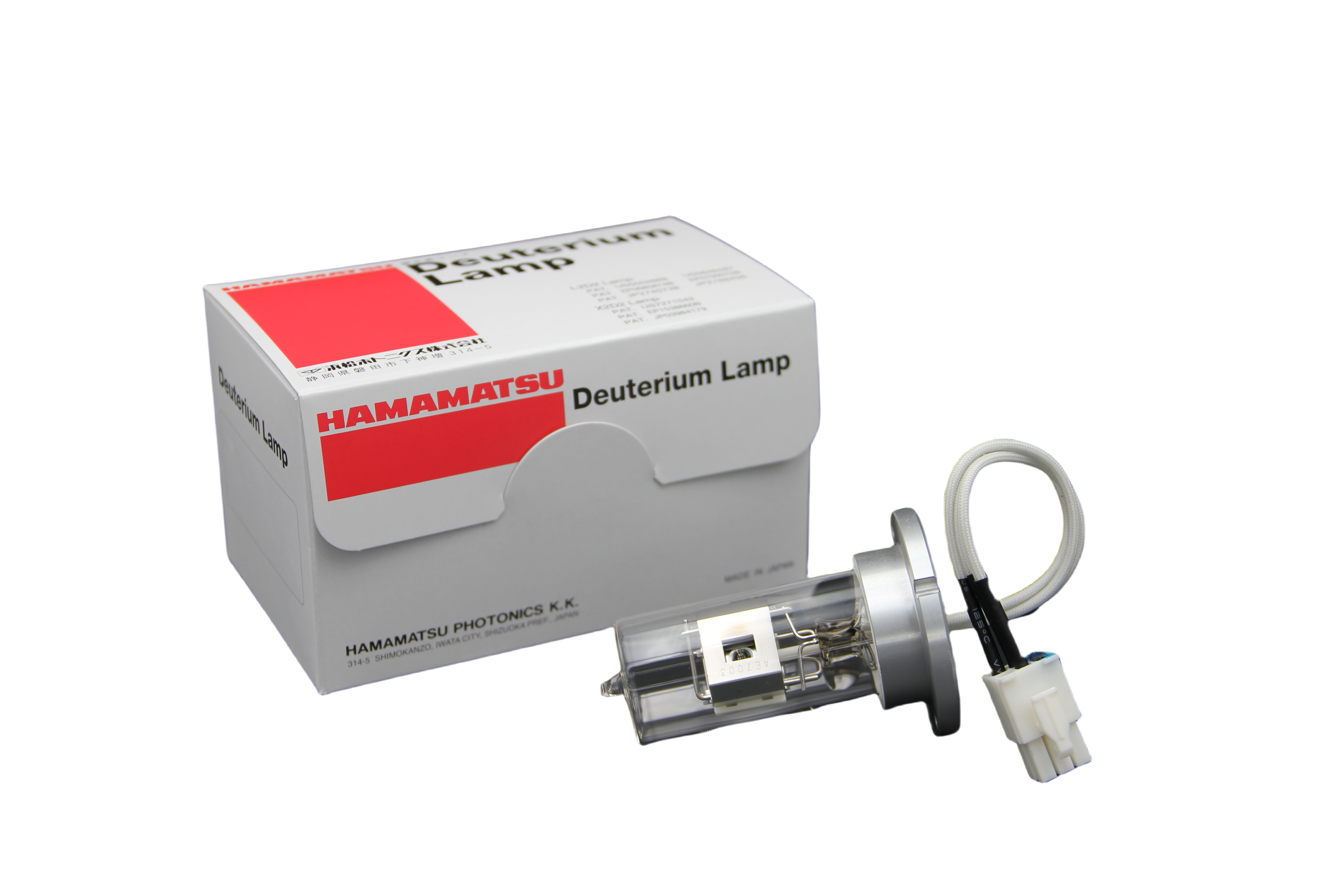
BIKAI China currently supplies multiple models of Hamamatsu-compatible deuterium lamps suitable for:
- HPLC UV detectors
- UV-Vis spectrophotometers
- Various analytical instrument brands
These lamps are widely used in routine laboratory maintenance, spare-part inventory, and second-hand instrument servicing.
4. Why Cost-Effective Cuvettes Are Equally Important
In addition to lamps, cuvettes are among the most frequently used and heavily consumed laboratory accessories.
They are widely used in:
- UV-Vis analysis
- Water quality testing
- Chemical analysis
- Biological laboratories
- Educational laboratories
As a result, consumption frequency is extremely high.
5. The Value of Cost-Effective Cuvettes in Laboratory Maintenance
5.1 Lower Daily Operating Costs
Cuvettes are high-frequency consumables and can easily become damaged through:
- Scratches
- Contamination
- Accidental drops
- Chemical corrosion
If laboratories rely exclusively on expensive original cuvettes, operating costs can increase significantly over time.
High-quality quartz and optical glass cuvettes can reduce long-term consumable expenses while still meeting analytical requirements.
5.2 Flexible Specifications and Customization Options
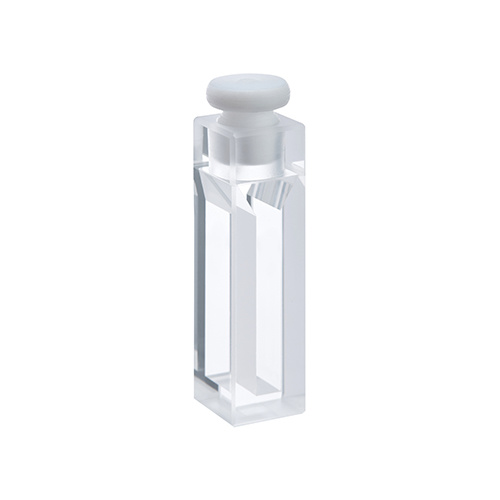
Many laboratories require more than just standard 10 mm cuvettes.
Real laboratory applications may involve:
- Micro-volume analysis
- Long-pathlength measurements
- Special dimensions
- Stoppered designs
- Flow cells
- Specialized materials
Therefore, suppliers capable of offering customized cuvette solutions provide substantial operational advantages.
BIKAI China currently supplies:
- Quartz cuvettes
- Optical glass cuvettes
- Multiple pathlength options
- Customized sizes and structures
These solutions can accommodate different analytical applications and instrument requirements.
This flexibility is particularly valuable for research laboratories, educational institutions, and routine QC environments.
5.3 Improved Spare-Part Management
Many laboratories struggle not because consumables are unavailable, but because:
- Too many specifications are used
- Pathlengths are inconsistent
- Inventory management becomes complicated
A standardized compatible cuvette supply system can provide:
- Multiple pathlength options
- Customization support
- Better standardization
- More flexible purchasing methods
This can significantly simplify laboratory inventory management.
5.4 Reducing Overdependence on Original Manufacturers
Some laboratories rely entirely on original consumables. However, if manufacturers:
- Increase prices
- Discontinue products
- Change distributors
- Experience logistics disruptions
the laboratory may face serious supply risks.
Building a stable alternative consumable supply system improves supply-chain security and operational resilience.
This has become increasingly important in recent years due to global supply-chain fluctuations.
6. Mature Laboratories Focus on Total Operating Cost
When laboratories initially purchase instruments, they often focus on:
- Brand reputation
- Technical specifications
- Instrument configuration
However, over time, many laboratories realize that:
The largest long-term expense is actually maintenance and consumables.
This includes:
- Lamp replacement
- Cuvette consumption
- Chromatography consumables
- Routine spare parts
- Downtime losses
As a result, mature laboratories often establish:
- Combined original + compatible consumable strategies
- Multi-supplier sourcing systems
- Risk-diversified procurement models
This approach helps maintain analytical performance while effectively controlling long-term operating costs.
7. Conclusion
For modern analytical laboratories, OEM-compatible lamps and cost-effective cuvettes are no longer viewed simply as “low-cost alternatives.”
Their real value lies in helping laboratories:
- Reduce maintenance costs
- Improve instrument utilization
- Extend instrument service life
- Minimize downtime
- Improve supply-chain security
- Enhance after-sales service efficiency
As laboratories worldwide continue to focus on operational efficiency and cost optimization, stable, compatible, and reliable consumable solutions are becoming increasingly important.
Among these solutions, Hamamatsu-compatible deuterium lamps and customizable high-value cuvettes are gradually becoming essential components of modern laboratory maintenance systems.
Key words:
Related News
Contact Information
Add: 2nd Floor, Building 3, No. 1 Chaoqian Rd, Changping, Beijing, China PRC.
HQ: 702, 2#, No.22, Daoan Rd, Suzhou, China.
TEL:86 18613365565
MAIL: info@uvtech-cc.com
Focus on us




Copyright 2024 Beijing UVTech Inc. All Rights Reserved